Awaryjny Słoik
Connecting online sales with Smart-Vending devices
- ServiceMedusa.js development
- ProjectAwaryjny Słoik
- Year2025-2026
- TechnologiesMedusa.js, Next.js, Tailwind CSS, MQTT, Firebase, AWS
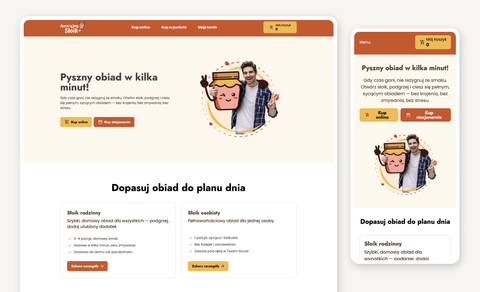
Awaryjny Słoik is an innovative idea that solves the problem of selling products in physical stores. Users can buy products both online and directly from Smart-Vending devices.
We use Open Source solutions, with the Medusa.js framework as the backend and Next.js as the frontend.
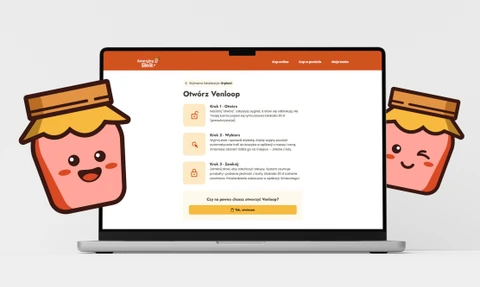
Project context
The client was looking for a solution that would allow them to sell products in an online store and through Smart-Vending devices in a fast, friendly, and intuitive way.
Our team proposed an Open Source-based solution built on the Medusa.js framework.
From the very beginning, I was convinced I wanted to use the advantages of Medusa.js to build Awaryjny Słoik. Codee earned my trust through a reliable assessment of technological challenges and by finding solutions consistent with the Medusa.js architecture.
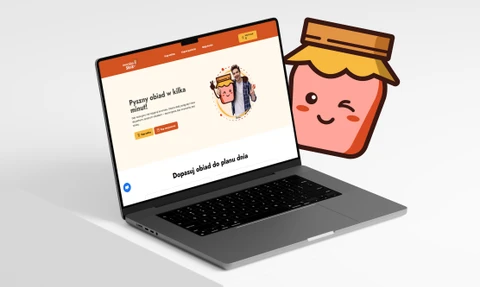
Project goals
Our main goals were:
- Using Medusa.js and Next.js to build the online store.
- Making it easy for users to shop online and via Smart-Vending devices.
- Ensuring fast and intuitive store experience.
Challenges
The main challenges included:
- Building a simple, intuitive online store, which required careful planning.
- Creating a Medusa.js plugin that enables backend integration with hardware.
- Adding an easy way to manage devices from the admin panel.
- Planning the work so two teams could collaborate efficiently.
In a small team, there are many challenges. Codee showed a highly creative approach to problem-solving and never left me without a solution.
Implementation process
Planning
Before we started the implementation, we walked through the assumptions of the whole project with the client. We agreed on how it should work, what the key needs are, and what the solution must connect with on the devices, logic, and user side.
Architecture & technology selection
Based on that, we chose the architecture and technologies for the entire project. We used Medusa.js as the foundation, MQTT for communication with devices, and Firebase for real-time user communication.
Implementation
On our side, we delivered the Medusa.js-based implementation and built additional elements tailored to the project's requirements. The most important thing was making sure everything works together smoothly.
Testing
After assembling everything, we verified that it works as expected. We tested communication, business logic, and how the individual parts behave together.
Hardware-layer integration
The hardware and device-side software were delivered by an external company. Our responsibility was integrating their solution with the Medusa.js-based part of the system.
Ongoing development
This project doesn’t end with the initial launch. We continuously build new elements and support the client whenever new needs arise or issues appear along the way. This allows the solution to keep working and growing together with the business.
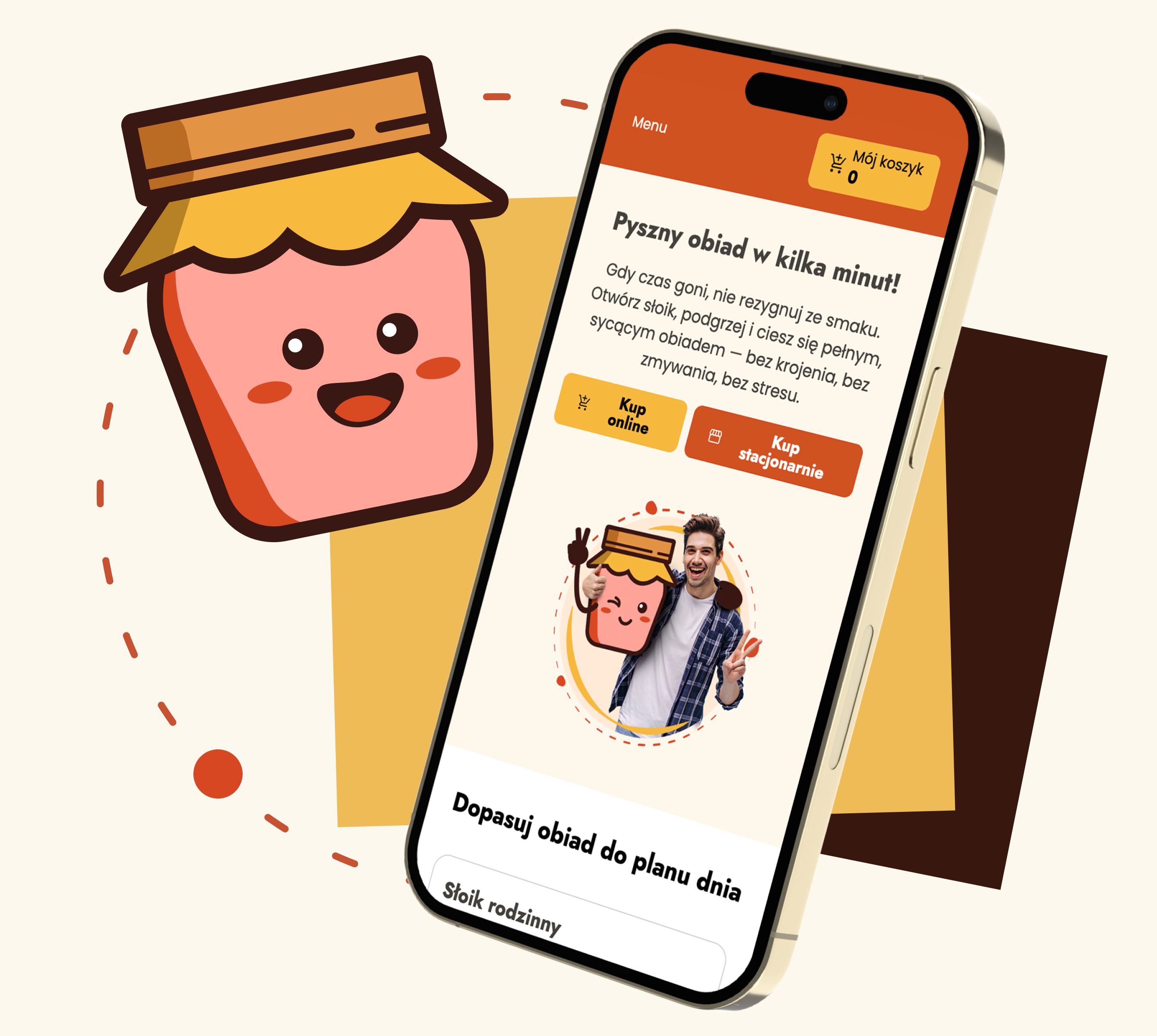
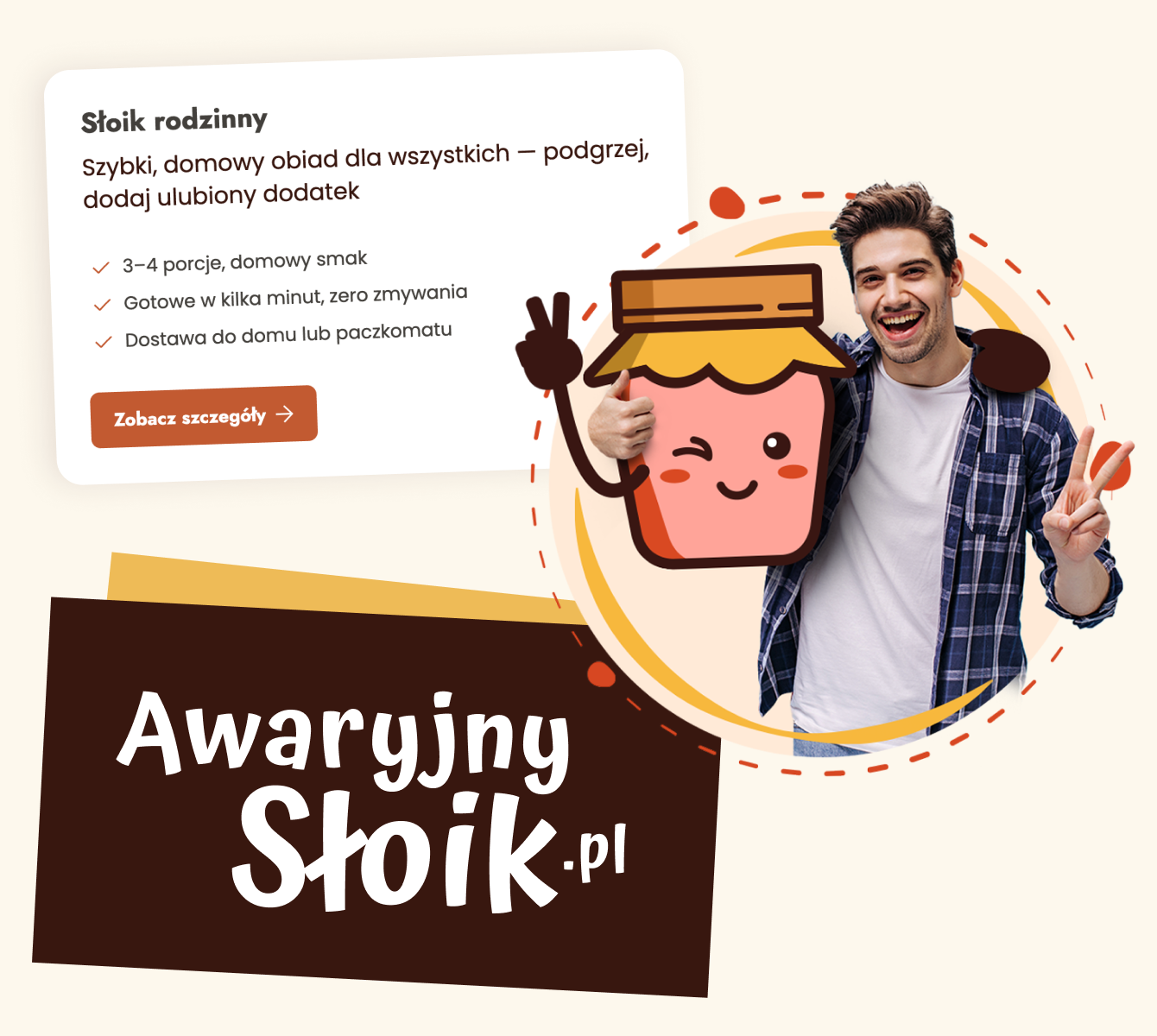
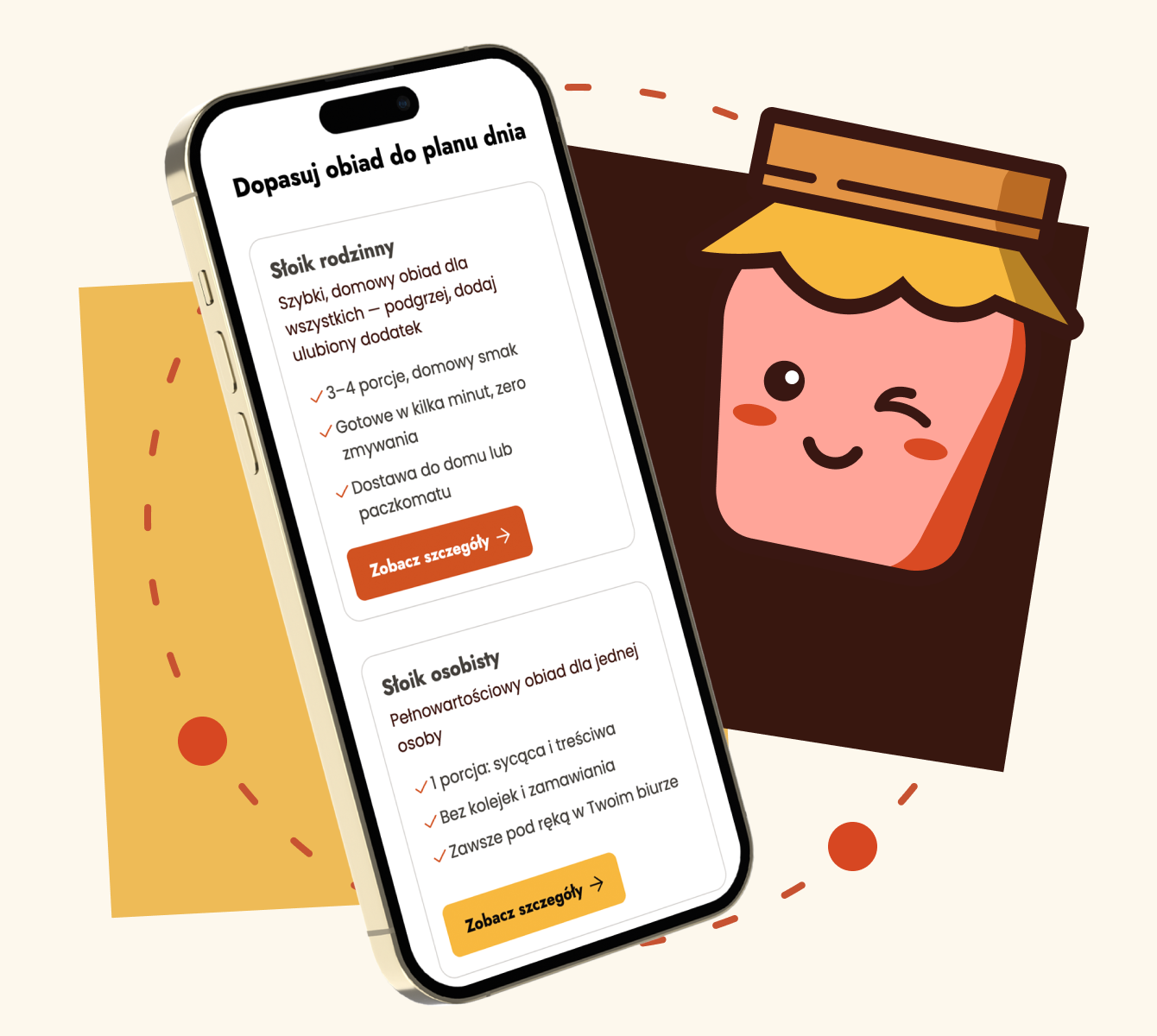
The result is not just a production-ready system that, after launch, handled hundreds of complex transactions between the web platform and IoT devices without major issues. The result is also an open-source project that allowed my company to share with the world the technology we built together with Codee.
Results
We managed to connect several different areas into one working solution: the part based on Medusa.js, communication with devices, and the layer prepared by an external company. This was a project where not only the implementation mattered, but also strong alignment across all components.
To this day, we continue to develop the project and support the client on an ongoing basis whenever new needs, improvements, or issues appear. Projects like this show how important good collaboration, testing, and fast response are during long-term development.
If you're looking for a partner to help you design and deliver a modern online store built on Medusa.js, get in touch. We combine technical expertise with a practical e-commerce approach, so we build solutions tailored to real business needs. We’ll be happy to help you validate the idea, plan the architecture, and build a store that’s ready to grow.